The Diverse Use Aluminum Casting in Different Industries and Their Effect On Technology
Aluminum casting works as a basic process across numerous industries, affecting layout and production techniques. Its light-weight and corrosion-resistant attributes boost performance in auto and aerospace applications. Furthermore, it assists in cutting-edge consumer goods and progressed electronics. The flexibility of aluminum is also noticeable in construction and infrastructure projects. As industries progress, the implications of aluminum casting on future innovations require closer evaluation (Aluminum Foundry). What developments exist ahead in this dynamic area?
Automotive Market: Enhancing Performance and Efficiency
The automobile sector increasingly welcomes aluminum casting to boost both performance and efficiency in automobile production. This change is driven by aluminum's light-weight homes, which add to boosted fuel effectiveness and reduced emissions. By replacing much heavier materials with aluminum components, manufacturers achieve significant weight decreases, aiding in the general style of modern cars.
Aluminum casting enables for detailed layouts that can enhance aerodynamics, even more enhancing efficiency. The capability to produce intricate parts in a single casting process lessens the requirement for several elements, improving setting up and decreasing manufacturing costs.
Additionally, aluminum's resistance to rust extends the lifespan of auto components, offering lasting dependability for consumers. As the automobile field continues to advance, the assimilation of aluminum casting innovation becomes a crucial strategy for manufacturers intending to meet both regulatory requirements and consumer expectations for lasting, high-performance vehicles.

Aerospace Applications: Lightweight Solutions for Advanced Design
In aerospace engineering, aluminum casting plays a vital role in creating light-weight elements that improve overall performance. By focusing on weight decrease approaches, makers can improve structural honesty and gas performance. This method not only meets the needs of modern-day air travel however likewise sustains sustainability goals in the market.
Weight Decrease Strategies
A substantial focus on weight decrease has ended up being a foundation in aerospace engineering, where every ounce counts towards boosting gas performance and total efficiency. Aluminum casting plays an essential function in accomplishing these weight reduction methods. By utilizing advanced alloys and maximized casting techniques, suppliers can generate lightweight elements without compromising toughness. Layout advancements, such as lattice frameworks and hollow sections, further reduce weight while maintaining capability. The combination of computer-aided design (CAD) permits designers to mimic and evaluate numerous styles, making certain one of the most efficient use products. Additionally, making use of aluminum's exceptional strength-to-weight proportion enables the development of lighter airplane, contributing to lower functional expenses and lowered environmental effect. These approaches highlight the significance of aluminum casting in modern aerospace applications.
Structural Stability Enhancements
Architectural integrity remains an important focus in aerospace design, particularly as the need for lightweight solutions magnifies. Aluminum casting deals special advantages in enhancing architectural stability without endangering weight. Advanced casting strategies permit the production of complex geometries, making certain suitable strength-to-weight proportions. Therefore, parts such as aircraft structures, engine mounts, and assistance structures gain from the integral longevity of aluminum while maintaining lighter setups. Additionally, the material's resistance to corrosion further improves durability and performance in demanding aerospace environments. These innovations not just improve the strength of aerospace parts yet also help with the assimilation of sophisticated styles, ultimately driving forward the industry's dedication to security and performance. Aluminum casting subsequently plays a critical duty in advancing aerospace design standards.
Gas Performance Improvements
While the aerospace market increasingly prioritizes fuel efficiency, aluminum casting emerges as a principal in accomplishing this goal through lightweight solutions. By using aluminum's reduced thickness and high strength-to-weight proportion, manufacturers can markedly minimize aircraft weight, leading to lower fuel usage. Parts such as engine mounts, body structures, and wing structures take advantage of aluminum casting strategies, allowing for elaborate designs that preserve structural integrity while lessening mass. This reduction in weight not just improves gas performance yet likewise reduces greenhouse gas exhausts, aligning with global sustainability objectives. As aerospace innovation breakthroughs, the function of aluminum casting in producing innovative, light-weight elements will remain to be essential, driving more renovations in efficiency and effectiveness across the field.
Customer Product: Innovative Designs and Sustainability
Using aluminum casting in durable goods presents significant benefits, including its green product residential properties that align with sustainability objectives. This convenience enables unique style possibilities that can enhance item charm and functionality. Furthermore, cost-effective manufacturing methods make aluminum an attractive option for makers intending to stabilize quality with cost.
Green Product Benefits
Eco-friendly products, especially in the domain name of aluminum casting, are transforming consumer items via cutting-edge layouts that prioritize sustainability. The light-weight nature of aluminum improves product performance, reducing power usage during transport and usage. Furthermore, aluminum's recyclability considerably decreases waste, allowing manufacturers Homepage to embrace round economy principles. click this By picking aluminum casting, companies can create long lasting items that keep visual worth while being eco liable. This dedication to sustainability commonly resonates with customers, influencing their getting choices and cultivating brand loyalty. As industries incorporate eco-friendly methods, aluminum casting becomes a key gamer in decreasing carbon footprints, demonstrating that sustainable materials can concurrently meet customer needs for innovation and ecological stewardship. Such innovations highlight the expanding importance of eco-conscious choices in today's marketplace.
Unique Layout Opportunities
Aluminum casting opens up a domain name of distinct design possibilities that accommodate both technology and sustainability in consumer items. This functional procedure permits designers to produce elaborate shapes and lightweight frameworks that are commonly unreachable with typical manufacturing approaches. The fluidness of molten aluminum enables the manufacturing of complicated geometries, which can boost capability while keeping visual appeal. Furthermore, aluminum's recyclability adds to lasting layout practices, as items can be crafted with a focus on lifecycle monitoring. Developers take advantage of this adaptability to produce aesthetically striking and ergonomic things, combining form and feature seamlessly. Subsequently, aluminum casting not only fosters creative thinking yet likewise straightens with modern consumers' growing need for ecologically liable products.
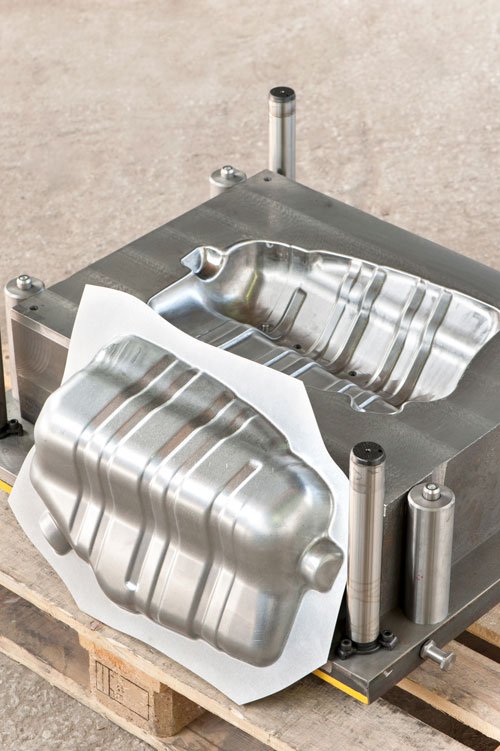
Cost-efficient Production Approaches
Electronic Devices Production: Accuracy Parts for Modern Gadgets
Advancing technology needs specific parts that can hold up against the roughness of modern-day electronic devices. Aluminum casting plays a pivotal duty in electronic pop over to this web-site devices producing, offering lightweight yet sturdy elements vital for tools such as laptops, smartphones, and tablet computers. The special residential or commercial properties of aluminum, consisting of exceptional thermal conductivity and resistance to corrosion, make it an excellent option for detailed rooms and warmth sinks.
Manufacturers utilize advanced casting strategies to achieve complicated geometries and limited resistances, making sure that every component fits effortlessly within the device architecture. This accuracy not just boosts performance however additionally adds to power performance, a vital aspect in the layout of modern electronics.
Furthermore, aluminum elements are recyclable, lining up with the sector's growing focus on sustainability. As the demand for cutting-edge digital gadgets continues to rise, aluminum casting stays a keystone in the growth of high-grade, reputable, and environmentally friendly digital parts, driving progress in the technology sector.
Building and Facilities: Resilient and Versatile Materials
In the building and framework sectors, a varied array of products is essential for creating durable and versatile structures. Aluminum casting has actually become an important component, using distinct advantages such as lightweight residential or commercial properties, rust resistance, and ease of fabrication. Its capacity to stand up to extreme environmental problems makes it a favored option for numerous applications, consisting of bridges, exteriors, and building components.
Aluminum's recyclability lines up with sustainable building practices, contributing to reduced ecological impact. The product can be quickly built into intricate shapes, permitting designers and engineers to discover ingenious layouts without jeopardizing architectural stability. In addition, the resilience of aluminum castings assurances longevity, decreasing upkeep expenses and increasing the lifespan of facilities jobs.
As urbanization continues to increase, the demand for reliable materials like aluminum casting is set to expand, even more strengthening its duty in advancing building and construction practices and improving the total quality of framework.
Arising Technologies: The Future of Aluminum Casting in Advancement
As sectors endeavor for greater effectiveness and sustainability, arising technologies are reshaping the landscape of aluminum casting. Developments such as additive production, additionally recognized as 3D printing, are transforming standard casting approaches. This technology allows for the development of complicated geometries with minimized material waste, boosting both performance and sustainability. Furthermore, improvements in computer-aided style (CAD) and simulation software application enable engineers to optimize layouts and forecast casting outcomes much more accurately, lessening flaws and manufacturing time.
In addition, the integration of expert system (AI) in the casting process aids in real-time tracking and anticipating maintenance, making certain high-quality outcomes and minimizing downtime. These technologies not only improve manufacturing but also add to the growth of lighter, stronger aluminum elements that fulfill the demands of different markets, from automotive to aerospace. As these developments remain to advance, they assure to boost the adaptability and application of aluminum casting in the future.
Frequently Asked Questions
What Are the Ecological Impacts of Aluminum Casting Production?
Aluminum casting production can lead to considerable ecological influences, including greenhouse gas discharges, energy usage, and waste generation. Additionally, inappropriate disposal of pollutants and spin-offs may hurt neighborhood environments and add to air and water contamination.
Just How Does Aluminum Casting Compare to Other Products in Regards To Cost?
Aluminum casting generally uses a competitive cost contrasted to products like steel and titanium, particularly as a result of its lightweight nature and simplicity of manufacturing. This cost effectiveness makes it a favored option in numerous manufacturing sectors.
What Security Actions Are Required During Aluminum Casting Processes?
During aluminum casting processes, necessary security steps consist of correct air flow, individual safety equipment (PPE), training on equipment procedure, routine upkeep checks, and adherence to safety and security protocols to avoid mishaps and assure a secure workplace.
Can Aluminum Casting Be Recycled, and How?
Yes, aluminum casting can be recycled. The procedure involves collecting scrap aluminum, melting it down, and reforming it into new products. This decreases waste and conserves energy, making aluminum recycling both environmentally friendly and efficient.
What Are the Limitations of Aluminum Casting in Specific Applications?
Aluminum casting faces limitations including vulnerability to porosity, reduced strength at high temperatures, and difficulty in achieving detailed layouts. These aspects can impede its application in high-stress environments and precise design needs, impacting general performance.
Aluminum casting allows for detailed styles that can optimize the rules of aerodynamics, additionally improving performance. Components such as engine places, body frames, and wing frameworks profit from aluminum casting methods, enabling for intricate layouts that preserve structural honesty while decreasing mass (Aluminum Casting Company). Eco-friendly materials, especially in the domain name of aluminum casting, are transforming consumer goods via innovative layouts that prioritize sustainability. While intending for cutting-edge styles and sustainability, manufacturers significantly transform to economical production approaches that take advantage of aluminum casting. Aluminum casting faces constraints including susceptibility to porosity, minimized strength at high temperature levels, and problem in achieving complex layouts